Apartamento pelo Minha Casa Minha Vida: O Que Ninguém Te Conta Antes de Comprar

Disclaimer: This content is informative and has no connection with government agencies. For official information, visit gov.br.
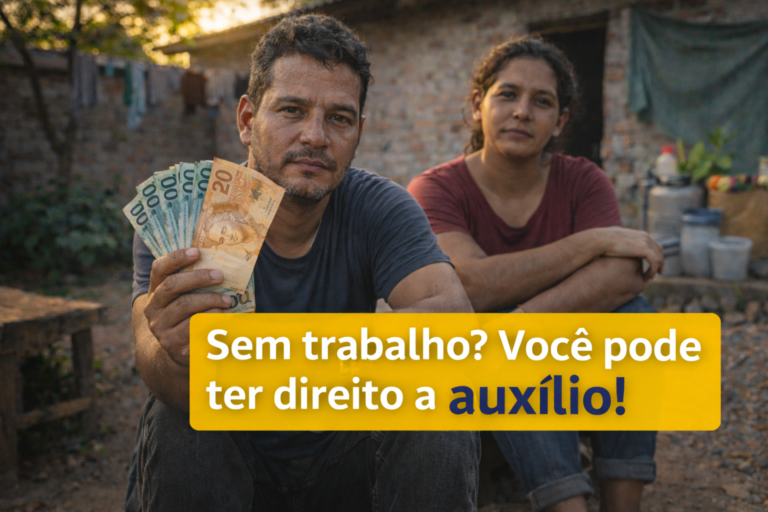
Being unemployed changes everything. With your head, with your bills, with your self-esteem.
I know what it’s like to wake up scared of tomorrow, with an empty fridge and an expiring bill.
It was at that point in my life that I decided to look for help for the unemployed — and that’s how I found ways to get real help.
>>> By tapping the button above you will continue on the blog <<<
If you are out of work and need support, this text is for you. I want to show you the paths I’ve taken, what really works, and how you can seek your rights safely and without falling for false promises.
Yes. Although there is currently no single national program with this specific name, there are several social benefits, regional support and emergency aid that can help those who are unemployed. It all depends on your profile, your city and your family situation.
Some examples of help you can access:
Each one has its own criteria, but the common point among them all is: you need to be registered in the Single Registry (CadÚnico).
When I lost my job, I didn’t know where to start. A friend told me about CRAS (Social Assistance Reference Center). I went there with my documents, explained my situation and, to my surprise, I was treated with respect and guidance.
The social worker explained to me that, even without children, I could:
It wasn’t magic, but it was a fresh start.
The Cadastro Único is the system that the government uses to identify low-income families. This is what you can use:
You register with CRAS with your documents and those of your family. You don’t need to have a clean name or prove formal income. Just report your situation truthfully.
Some cities offer a type of temporary aid for the unemployed, generally worth between R$150 and R$300 per month, for 3 to 6 months. It doesn’t replace a salary, but it helped me buy the basics while I was looking for a new job.
During unemployment, I received 3 monthly basic food baskets from CRAS. In other cities, support is provided with a food card, with credit released monthly.
I signed up for a cashier and basic IT course, with a R$ 200 scholarship and transportation voucher. It was through a city hall project in partnership with SENAC.
With CadÚnico, I was able to request fee exemption in public tender. This gave me the chance to apply for jobs without spending money on registration.
One thing that few people talk about: being unemployed takes a huge emotional toll. At CRAS, I was entitled to free psychological care, with listening and support.
If you live in a big city, there are probably notices, emergency actions and even specific social cards for those outside the job market.
If you come across websites or profiles promising immediate assistance, registration via Pix or guaranteed approval, be suspicious. The real programs are free, undergo analysis and never require payment to release benefits.
The safest way is always through CRAS, city hall or official government channels.
Being unemployed does not define you. But asking for help at the right time can make all the difference. aid for the unemployed does exist — sometimes it changes names, sometimes it’s temporary, but it’s there, waiting to be accessed by those who need it.
If you’ve read this far, my advice is: go to CRAS, update your registration, ask, insist. That’s what I did, and today I’m working again, with my dignity restored.
The help you need may be closer than you think. And you deserve every step that takes you back to stability.